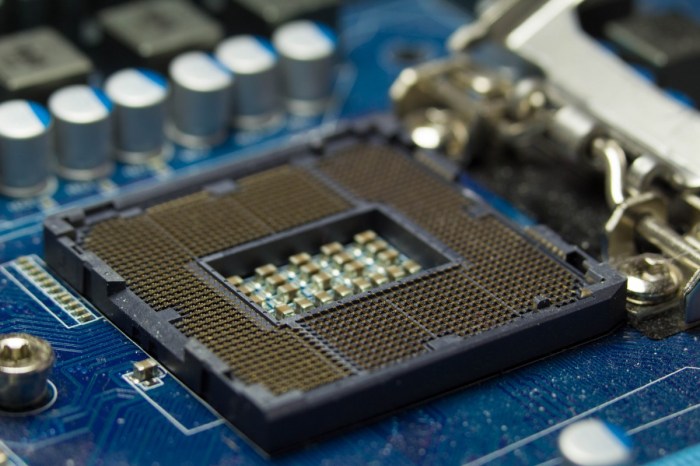
Hardware compatibility checker serves as a vital tool in today’s tech landscape, ensuring that the components you choose will work seamlessly together. This checker eliminates guesswork, making it easier for users to select the right parts for their projects or repairs. Whether you’re building a new computer or upgrading an existing setup, understanding how hardware components interact is essential for achieving the best performance.
These checkers assess the compatibility of various hardware elements, highlighting potential issues that may arise from using mismatched components. They not only save time and frustration but also enhance the overall user experience by streamlining the selection process for electronic and computer parts.
Hardware Compatibility Checker Overview
A hardware compatibility checker is a vital tool in the tech landscape, designed to ensure that various hardware components can work seamlessly together within a system. As technology evolves, the diversity of hardware choices increases, making it essential for users to verify compatibility before making any purchases or upgrades. This not only saves time and resources but also enhances the overall computing experience by preventing potential conflicts and performance issues.The functionality of hardware compatibility checkers revolves around analyzing the specifications of various components, such as motherboards, CPUs, RAM, graphics cards, and storage devices.
By comparing these specifications against a vast database of known compatible parts, the checker can provide users with reliable recommendations tailored to their specific configurations. This ensures that users can confidently select components that will work harmoniously, maximizing performance and stability.
Impact of Hardware Compatibility Checkers on User Experience
Hardware compatibility checkers play a crucial role in a wide range of scenarios, significantly enhancing user experience across different contexts. For instance, consider a gamer looking to build a high-performance gaming rig. By using a compatibility checker, the user can verify that the graphics card of their choice will fit with the motherboard and that the power supply can handle the system’s demands.
This proactive approach helps avoid frustration, as incompatible components can lead to system failures or subpar performance.Another scenario is for individuals upgrading their existing systems. They might want to add additional RAM or replace an old hard drive with a solid-state drive (SSD). A compatibility checker can inform the user about the maximum memory supported by the motherboard and recommend SSDs that will integrate smoothly with the current setup.
This not only streamlines the upgrade process but also helps users make informed decisions based on their budget and requirements.Moreover, system builders often face the challenge of ensuring that all components are compatible with each other. This can be particularly intricate when combining parts from various manufacturers. Compatibility checkers simplify this process by providing detailed information about which components have been tested and verified to work together, thus reducing the risk of purchasing incompatible hardware.
“Using a hardware compatibility checker is like having a knowledgeable companion guiding you through the complexities of building or upgrading your system.”
In addition to enhancing performance, compatibility checkers can prevent the associated costs of returns or exchanges due to mismatched parts. Users who plan ahead and utilize these tools are more likely to experience a smoother setup process, leading to a satisfying and efficient technology experience.
Importance in Electronics and Electrical Fields
In the ever-evolving landscape of electronics, ensuring that components work harmoniously is crucial for both innovation and functionality. Hardware compatibility checkers serve as vital tools in the selection process, enabling engineers and hobbyists alike to create systems that not only function but excel in performance. By verifying compatibility among different components, these checkers help prevent costly mistakes and enhance project efficiency.The role of hardware compatibility checkers extends beyond mere selection; they act as safeguards against the myriad issues that can arise from component incompatibility.
When devices or components are mismatched, it can lead to performance degradation, malfunction, or even irreversible damage. Compatibility checkers address these potential pitfalls by providing comprehensive analyses and recommendations based on hardware specifications, ensuring a smoother integration process.
Common Compatibility Issues in Electrical Devices
Incompatibility between electronic components can manifest in various ways, each leading to potential disruptions in project timelines and resources. Understanding these issues is essential for effective project management and device functionality. Here are some common incompatibility issues that hardware compatibility checkers help mitigate:
- Voltage Mismatch: Devices may require different operating voltages, leading to power supply failures or component damage.
- Pin Configuration Errors: Variations in pin layouts can cause incorrect connections, resulting in functionality issues or component failure.
- Signal Interference: Different components may operate on incompatible frequency ranges, leading to noise and reduced performance.
- Driver and Software Incompatibility: Certain components may require specific drivers or firmware versions that are not compatible with others, leading to operational issues.
To illustrate the importance of these checks, consider the example of a microcontroller and a sensor module. If a microcontroller operates at 5V but the sensor requires 3.3V, connecting them directly can damage the sensor. A compatibility checker would flag this voltage mismatch, prompting users to either choose compatible components or implement voltage level shifting solutions.
Examples of Components Requiring Compatibility Checks
Various electronic components necessitate thorough compatibility checks prior to purchase or integration. The following categories exemplify such components:
- Microcontrollers: Different microcontrollers may have unique voltage requirements and pin configurations that must be matched with the intended sensors and actuators.
- Power Supplies: Ensuring that power supplies meet the voltage and current specifications of all connected devices is critical to prevent overheating or failure.
- Communication Modules: Devices like Wi-Fi or Bluetooth modules need to be compatible with the protocols used by the main controller to ensure seamless communication.
- Sensors and Actuators: Different sensors may output data in various formats, necessitating careful selection to ensure data compatibility with processing units.
By integrating compatibility checkers into the design and selection process, engineers can streamline their workflow, optimize performance, and significantly reduce the risk of project delays or hardware failures.
Role in Computer Repair and Consulting

Hardware compatibility checkers play a crucial role in the realm of computer repair and consulting by providing professionals with the necessary tools to diagnose issues and recommend effective solutions. With components evolving rapidly, ensuring that new hardware can seamlessly integrate with existing systems is essential for maintaining optimal performance and user satisfaction.The ability to accurately assess hardware compatibility is especially beneficial during troubleshooting processes.
Professionals can quickly identify whether a failing component is incompatible with other parts of the system, which can significantly reduce diagnostic time. This aids in minimizing downtime for clients and enhances the overall repair experience. Moreover, hardware compatibility checkers streamline the process of determining if a specific upgrade is feasible without extensive modifications.
Advantages of Using Compatibility Checkers During Hardware Upgrades or Replacements
Utilizing hardware compatibility checkers during upgrades or replacements has several distinct advantages that can enhance the overall efficiency of the upgrade process. These advantages include:
- Time Efficiency: Compatibility checkers quickly provide information on which components can work together, allowing for faster decision-making.
- Cost Effectiveness: By ensuring that selected components are compatible, businesses can avoid unnecessary returns or purchases of unsuitable parts, ultimately saving money.
- Informed Recommendations: Repair and consulting professionals rely on accurate data to make informed recommendations to clients regarding upgrades, enhancing customer trust.
- Reduced Error Rates: Automated checks minimize the chance of human error during the selection process, ensuring that the right components are chosen.
Impact of Accurate Component Selection on Overall Performance of a Computer System
Accurate selection of computer components significantly influences the system’s performance, reliability, and longevity. When components are not compatible, users may face various issues, including system crashes, hardware failures, or diminished performance. The effects of mismatched components can lead to:
- System Instability: Incompatible hardware can cause erratic behavior and frequent crashes.
- Performance Bottlenecks: Selecting components that do not work well together can result in suboptimal performance, affecting speed and efficiency.
- Increased Wear and Tear: Mismatched components can lead to overheating or excessive strain on certain parts, leading to premature failures.
- Lowered User Satisfaction: Customers expect reliable performance, and any failure in this area can lead to dissatisfaction and damage to the consultant’s reputation.
“The right hardware compatibility checker can be the difference between a smoothly functioning computer and a frustrating experience for both the technician and the end user.”
By leveraging hardware compatibility checkers, professionals can ensure that both the integrity of the computer systems they work on and the satisfaction of their clients are maintained at the highest level.
Conclusion
In summary, hardware compatibility checkers play a crucial role in both personal and professional settings, drastically improving the efficiency of hardware selection and installation. By ensuring that every component is compatible, users can avoid common pitfalls associated with incompatibility, leading to better performance and satisfaction. Embracing this technology opens the door to more successful projects and repairs, allowing everyone from hobbyists to professionals to work with confidence.
Helpful Answers
What is a hardware compatibility checker?
A hardware compatibility checker is a tool that assesses whether different hardware components can work together without issues.
Why is hardware compatibility important?
Ensuring hardware compatibility is crucial to avoid system failures, performance issues, and to maximize the efficiency of your devices.
How do I use a hardware compatibility checker?
Simply input the specifications of the components you’re considering, and the checker will inform you if they’re compatible.
Can compatibility issues affect performance?
Yes, using incompatible components can lead to suboptimal performance and may even cause system instability.
Are hardware compatibility checkers only for computers?
No, they can also be used for various electronic devices to ensure all components work together effectively.


