
Portable gadget chargers have revolutionized the way we power our devices, allowing us to stay connected wherever we go. These handy tools are essential for anyone who relies on smartphones, tablets, or other electronic devices, especially when on the move.
With various types available, from compact power banks to solar-powered chargers, there’s a perfect solution for every need. Understanding the advantages and disadvantages of these chargers, along with the latest innovations in the market, can help consumers make informed choices that suit their lifestyle.
Portable Gadget Chargers Overview
Portable gadget chargers, also known as power banks, have become essential accessories in today’s tech-driven world. As our reliance on mobile devices grows, having a reliable, on-the-go charging solution is more important than ever. These compact devices allow users to recharge smartphones, tablets, and other gadgets without being tethered to a wall outlet, providing convenience and flexibility.There are various types of portable gadget chargers available in the market, each designed to cater to different needs and preferences.
One popular type is the standard power bank, which typically features a USB output and can store a significant amount of battery capacity. Another variant is the solar charger, which harnesses solar energy for charging, making it ideal for outdoor enthusiasts. Wireless chargers are also gaining traction; they allow users to charge their devices without the hassle of cords, requiring compatible devices.
Additionally, some chargers come equipped with built-in cables, eliminating the need to carry extra cords.
Advantages and Disadvantages of Portable Gadget Chargers
Understanding the pros and cons of portable gadget chargers is crucial for making an informed purchase decision. The advantages include enhanced mobility, allowing users to stay connected without worrying about battery life. They are especially useful during long trips or outdoor activities where access to power outlets is limited. However, there are also disadvantages to consider. Some chargers may not provide enough power to fully charge devices, and the weight and size can vary significantly, impacting portability.
It’s also important to note that lower-quality chargers may pose safety risks, such as overheating or short-circuiting.
Key Features to Look for When Purchasing a Portable Gadget Charger
When selecting a portable gadget charger, several key features should be considered to ensure optimal performance and safety. The following points Artikel essential factors to keep in mind:
- Battery Capacity: Measured in milliampere-hours (mAh), this determines how much charge the power bank can hold. A higher capacity means more power, allowing for multiple charges of your device. For instance, a 10,000mAh power bank can typically charge a smartphone two to three times.
- Output Current: This indicates how quickly the charger can deliver power to a device. A higher output (measured in amps) can lead to faster charging times.
- Number of Ports: More ports allow multiple devices to be charged simultaneously, which is particularly useful for families or users with multiple gadgets.
- Size and Weight: Consider how portable you need the charger to be. Slim and lightweight models are easier to carry but may compromise on capacity.
- Safety Features: Look for chargers that include overcharge protection, short circuit protection, and temperature control to ensure safe charging.
- Charging Speed: Fast charging technology, such as Quick Charge or Power Delivery, can significantly reduce charging time for compatible devices.
- Material and Build Quality: Durable construction can enhance longevity and protect against wear and tear, especially for outdoor use.
The right portable gadget charger can be a game changer for keeping your devices powered up and ready to go, no matter where life takes you.
Technology and Innovations in Portable Chargers
The world of portable charging technology has seen remarkable advancements in recent years. With the growing demand for efficient and versatile charging solutions, manufacturers have focused on integrating innovative features that enhance usability and performance. From solar-powered options to wireless charging capabilities, portable charger technology continues to evolve, catering to a wide array of devices and user needs.
Latest Technological Advancements
Recent advancements in portable chargers have brought about significant improvements in charging speeds, battery capacities, and overall functionality. High-capacity lithium-ion batteries now offer compact designs with powerful outputs, allowing users to recharge multiple devices simultaneously. Fast charging technologies, such as Power Delivery (PD) and Quick Charge, have made it possible to charge devices at unprecedented speeds, reducing downtime significantly. Furthermore, smart features like LED indicators and automatic power management systems ensure that devices are charged safely and efficiently.
Solar-Powered Portable Chargers
Solar-powered portable chargers harness sunlight to generate electricity, providing an eco-friendly way to keep devices charged on the go. They are particularly beneficial for outdoor enthusiasts, travelers, and anyone who spends extended periods away from traditional power sources. These chargers come equipped with solar panels that convert sunlight into electrical energy, which can then be stored in an internal battery for later use.
The benefits of solar-powered chargers include:
- Environmental Sustainability: Utilizing renewable energy sources helps reduce reliance on fossil fuels.
- Portability: Many models are lightweight and compact, making them easy to carry during outdoor activities.
- Convenience: They allow you to charge devices during camping trips, hikes, or beach outings without needing an electrical outlet.
Wireless Charging Options
Wireless charging technology has revolutionized how users interact with portable chargers. Utilizing electromagnetic fields, these chargers allow devices to be powered without the need for physical connectors. This feature not only simplifies the charging process but also reduces wear and tear on charging ports.When comparing wireless charging to traditional charging methods, several factors highlight the advantages and disadvantages:
- Convenience: Wireless chargers eliminate the hassle of finding and plugging in cables, making them ideal for quick top-ups.
- Compatibility: Many modern smartphones and gadgets support wireless charging, making it a versatile option.
- Charging Speed: While some wireless chargers offer fast charging, traditional wired chargers typically deliver higher speeds, especially for high-capacity devices.
Wireless charging provides a seamless user experience, but for those needing rapid power replenishment, wired options remain superior.
Related Topics in the Electronics Sphere
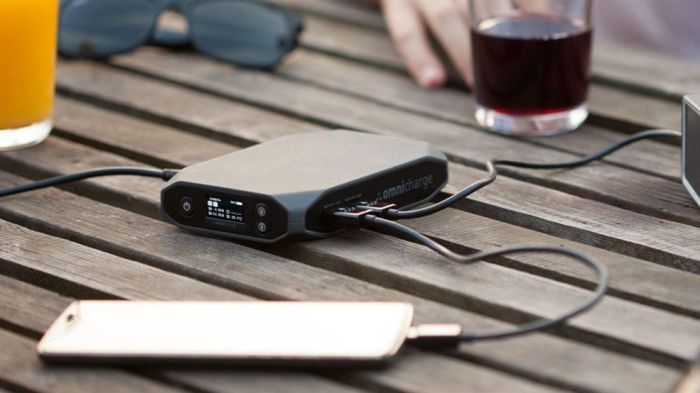
Portable gadget chargers have become integral in our tech-driven lifestyle. As we rely more on mobile computing devices, the need for reliable and efficient charging solutions has surged. Understanding the relationship between portable chargers and these devices reveals insights into broader trends in consumer behavior and electronics.
Relationship Between Portable Gadget Chargers and Mobile Computing Devices
Portable gadget chargers primarily serve to enhance the functionality and usability of mobile computing devices such as smartphones, tablets, and laptops. The increasing dependency on these devices has led to a parallel rise in the demand for power solutions that can keep them operational on-the-go. Many modern mobile devices are designed with energy efficiency in mind, yet extensive use can quickly drain their batteries.
Portable chargers bridge this gap by providing an immediate source of power, allowing users to maintain productivity during travel, outdoor activities, or in situations where access to traditional power sources is limited. This symbiotic relationship not only enhances the user experience but also encourages the innovation of higher-capacity and faster-charging solutions in the market.
Impact of Portable Chargers on the Electronics Market and Consumer Behavior
The introduction and proliferation of portable gadget chargers have significantly shifted both market dynamics and consumer expectations. As users prioritize convenience, portability, and performance, manufacturers have responded with a growing variety of charging solutions that cater to these needs. The electronics market has seen an influx of brands competing to offer powerful, compact, and aesthetically appealing chargers that complement the sleek designs of modern devices.
This trend has influenced purchasing decisions, where consumers often consider battery life and charging capabilities as key features when selecting mobile devices. The accessibility of portable chargers has also encouraged a culture of mobility; for instance, many consumers no longer hesitate to use their devices for extended periods, knowing they have a backup power source.
“Portable chargers have redefined the way we interact with our devices, bringing freedom from traditional power restrictions.”
Essential Gadgets That Pair Well with Portable Gadget Chargers
In a tech-savvy lifestyle, certain gadgets complement the utility of portable chargers, enhancing overall functionality and convenience. Here’s a list of essential devices that go hand-in-hand with portable charging solutions:
- Smartphones: The most common gadgets that require frequent charging, making portable chargers indispensable.
- Tablets: Ideal for both work and entertainment, tablets also benefit from the convenience of portable charging.
- Wireless Earbuds: Compact and portable, these often come with their own charging cases, which can also be powered by portable chargers.
- Smartwatches: As more users adopt these wearable devices, the need for on-the-go charging solutions has increased.
- Bluetooth Speakers: These portable audio devices rely on battery power and are great companions for outdoor activities.
- Laptops: While they may require higher-capacity chargers, lightweight portable options are increasingly available.
By recognizing the synergy between portable chargers and these gadgets, consumers can better equip themselves for a seamless tech experience that aligns with their on-the-go lifestyles.
Final Thoughts
In conclusion, portable gadget chargers not only enhance convenience but also cater to the ever-evolving demands of our tech-savvy lives. By staying updated on the latest technologies and understanding key features, you can ensure that you have the right charger that meets your needs, keeping your devices powered and ready for use at all times.
Popular Questions
What types of portable gadget chargers are available?
There are various types, including power banks, solar chargers, and wireless chargers, each tailored for different needs and usage scenarios.
How do I choose the right portable charger for my device?
Consider factors such as capacity, charging speed, compatibility with your devices, and additional features like built-in cables or solar charging capabilities.
Can I use a portable charger while charging my device?
Yes, most portable chargers allow for passthrough charging, meaning you can charge both the charger and your device simultaneously.
How long do portable chargers take to charge?
Charging time varies based on the charger’s capacity and output, but generally ranges from 2 to 6 hours for a full charge.
Are solar-powered chargers worth it?
Solar-powered chargers are great for outdoor use and emergencies, as they harness sunlight to recharge; however, their efficiency can be affected by weather conditions.


